

News Wallets and security Scams and user protection
iPhone worse_query flaw: Binance warns wallet users
Binance warned on 10 November 2026 that an iOS flaw could let a malicious app read files belonging to other apps. The risk to a wallet depends on what those accessible files contain. Apple has released updates, but its notes do not explicitly confirm a worse_query fix, and the sources reviewed did not document cryptocurrency theft through the flaw.
Checked on 11 November 2026.
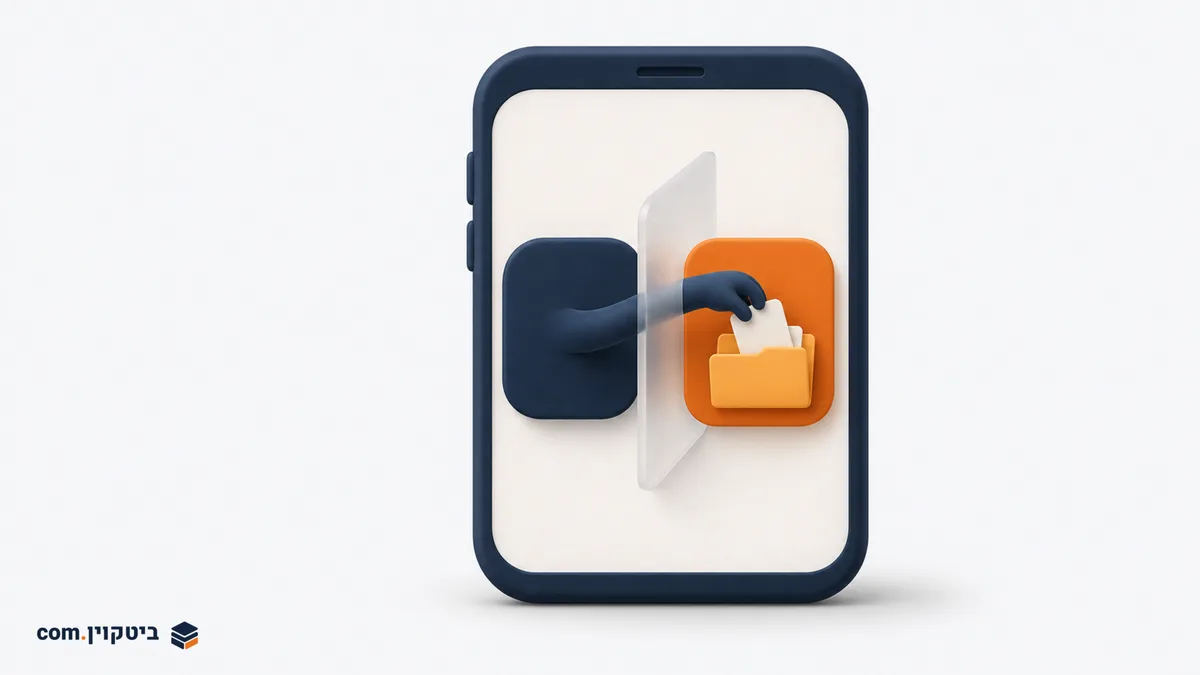
In its warning on X (Opens in a new tab), Binance identified iOS 26.7.1, 27.0.1 and 27.2. It described an operating system issue that could expose recovery phrases, private keys and login credentials. The warning concerns iPhone users internationally, including in Israel, rather than an incident confined to a particular exchange app.
For someone keeping a wallet on a phone, the first practical question is which apps were installed and where they came from. The warning focuses on untrusted installations, including sideloaded or manually signed IPA files. Owning an iPhone is not evidence that information has been exposed or that someone already has access to the funds.
What happens when the boundary between apps fails
Apps normally operate within restrictions that limit access to other apps' information. Think of separate workrooms: one program should not be able to open its neighbour's private folders whenever it chooses. A sandbox escape crosses that boundary under particular conditions.
Developer forcequitOS describes worse_query on GitHub as a proof of concept that can reach several types of storage directory. The author says it is intended for developers and is not a jailbreak. The repository names iOS 26.0 through 26.7.2 and 27.2. That differs from Binance's list, so neither should be treated as an exhaustive compatibility check for every device.
Reaching a file also does not mean every secret on a phone is exposed in the same way. Apple documents a separate Keychain mechanism for protecting secrets and controlling app access. The relevant questions are where a particular app stores sensitive information, how it protects it and when that protection applies. No assessment reviewed here answers those questions for every wallet.
A recovery phrase saved in readable text, for example, presents a different problem from encrypted material whose decryption key is inaccessible. A demonstrated ability to read information is also distinct from evidence of theft. The primary sources reviewed did not identify a particular wallet from which worse_query had stolen funds or provide a victim count.
Apple released an update; confirmation of this fix is separate
Apple released iOS 27.2.1 on 9 November 2026. Its security notice lists fixes involving components including App Intents, Bluetooth and Messages. It does not name worse_query or explicitly associate the technique with a CVE identifier. The notice reviewed for this article's 11 November handoff still provided no explicit confirmation that this particular flaw had been fixed.
One entry describes an app potentially accessing sensitive information. Similar wording is not enough to establish that two reports concern the same vulnerability. Equally, the absence of the name does not prove the update fails to block the technique. The narrower conclusion is that the Apple document reviewed does not settle its patch status.
Official updates still matter because they address the problems their notes describe. Check the update offered by the device itself, rather than installing a file circulated in a message promising to resolve the warning. Keeping software current and reviewing the origin of installed apps are complementary steps, even while a particular vulnerability remains under investigation.
Review the phone without treating a warning as proof of compromise
Binance recommends removing apps from untrusted sources and updating iOS and applications through official channels. Start with recently installed apps and consider whether any installation required manually trusting a developer. There is no need to run a proof of concept to do that review, or to enter recovery words into a website offering to check exposure.
An app distributed outside the store is not automatically malicious. Apple also permits organisations to distribute internal software and documents how trust is managed for those apps. On a work device, ask the administrator what was installed and why before removing a management profile or business tool. A legitimate distribution method does not certify every app using it.
It also helps to distinguish two kinds of access. An account with a service provider uses that provider's login controls; with a self-custody wallet, the keys authorise transactions. The guide to crypto wallet custody explains why an app's name alone does not establish who controls the money or what must change after exposure.
Deleting an app cannot undo an already copied secret
If a breach is suspected, Binance advises creating a new wallet on a clean device, moving funds and resetting active account sessions. A new wallet means new secrets. Restoring the same recovery phrase on another device does not invalidate a copy an attacker may hold. Changing an app password does not replace the underlying blockchain key either.
Before making that transition, understand the distinction between recovery phrases, private keys and passwords, check the new backup, and verify the transfer network and destination. Anyone unsure of the process should use the wallet's official support channel without sharing recovery words. The warning calls for a careful exposure assessment; it does not establish that every user needs an immediate transfer.