

Guide Wallets and security Bitcoin basics
Crypto wallets: the first question is who holds the keys
How to distinguish a convenient interface from control of your assets, and what to establish about backup, recovery and custody before choosing a wallet.
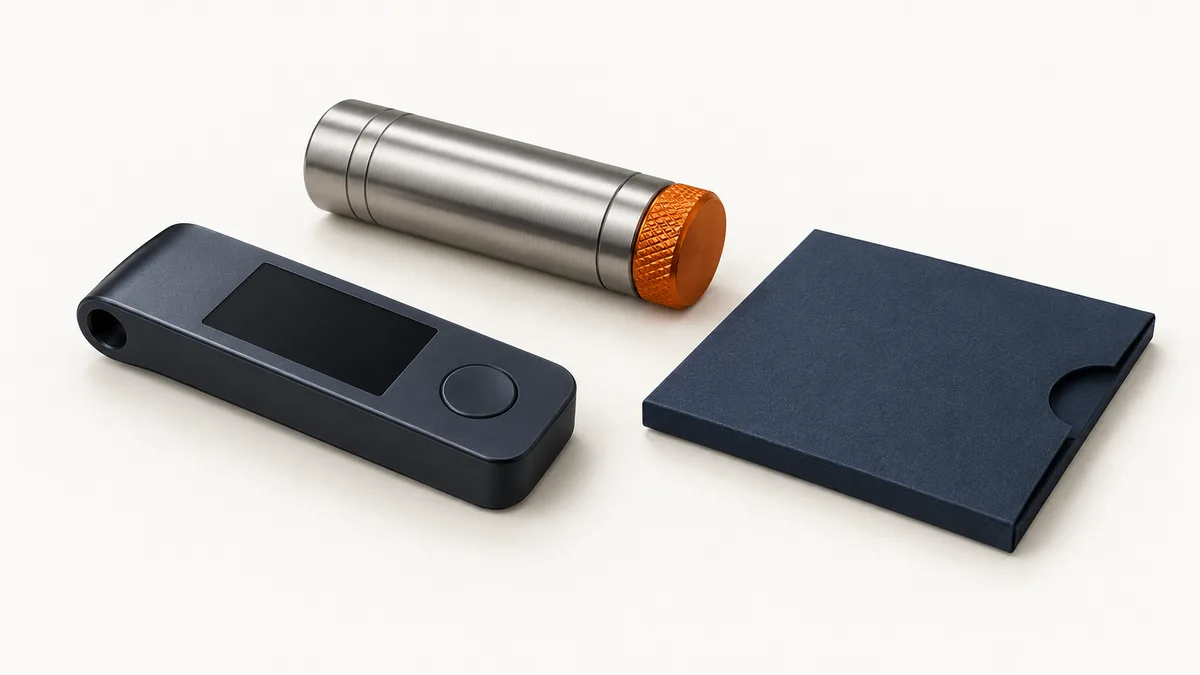
When choosing a crypto wallet, the first question is not the screen colour or the number of buttons. You need to understand who holds the information that authorises actions, and who can help if you lose access. The same word, wallet, describes products with different divisions of responsibility.
The interface is not the whole story: where the crypto keys are
Bitcoin.org explains that private keys are used to sign transactions. A screen displaying a balance does not, by itself, explain where the keys are or who controls them. Ask explicitly whether you have control or whether a service acts on your behalf.
Write down the answer alongside the company or software name. Do not infer all the custody arrangements from words such as hot, cold or secure. Also establish exactly what is backed up: access to a service, a local password or information that allows the wallet to be recovered.
Consider losing access before it happens
Bitcoin.org's security guide stresses the importance of backups and caution with online services. When choosing a product, turn that point into a test scenario: what happens if your phone breaks, you replace your computer or the service provider is unavailable?
You do not need to experiment with real money to ask these questions. Read the official recovery procedure, check what information is required and who is responsible. If the explanation is unclear, that is a gap to resolve before relying on the product.
Consider convenience and responsibility together
A simple interface can be an advantage, but it does not replace understanding permissions. Compare products by how easily you can understand actions, see fees and find documentation, rather than by general promises alone.
This article does not rank wallets or recommend a company. The aim is to finish your comparison with clear answers: who can act, what information must be kept, and what the official procedure is when something goes wrong. Do not send the site's editorial team keys, passwords or seed phrases.