

News Markets and data
Tether invests in Lemon: a simpler balance still depends on infrastructure
Tether announced an investment in Argentine fintech Lemon on 25 November 2026 to expand USDT and XAUT use across Latin America. Tether did not disclose the amount in its release. The companies aim to connect digital assets with everyday payments and money management without making users handle each infrastructure layer separately.
Checked on 26 November 2026.
In an interview with Forbes Argentina that day, Lemon founder Marcelo Cavazzoli described a US$14.5 million package: US$5 million in equity and US$9.5 million in product-development incentives. The whole package should therefore not be described as an equity investment. The interview did not disclose the valuation or ownership stake.
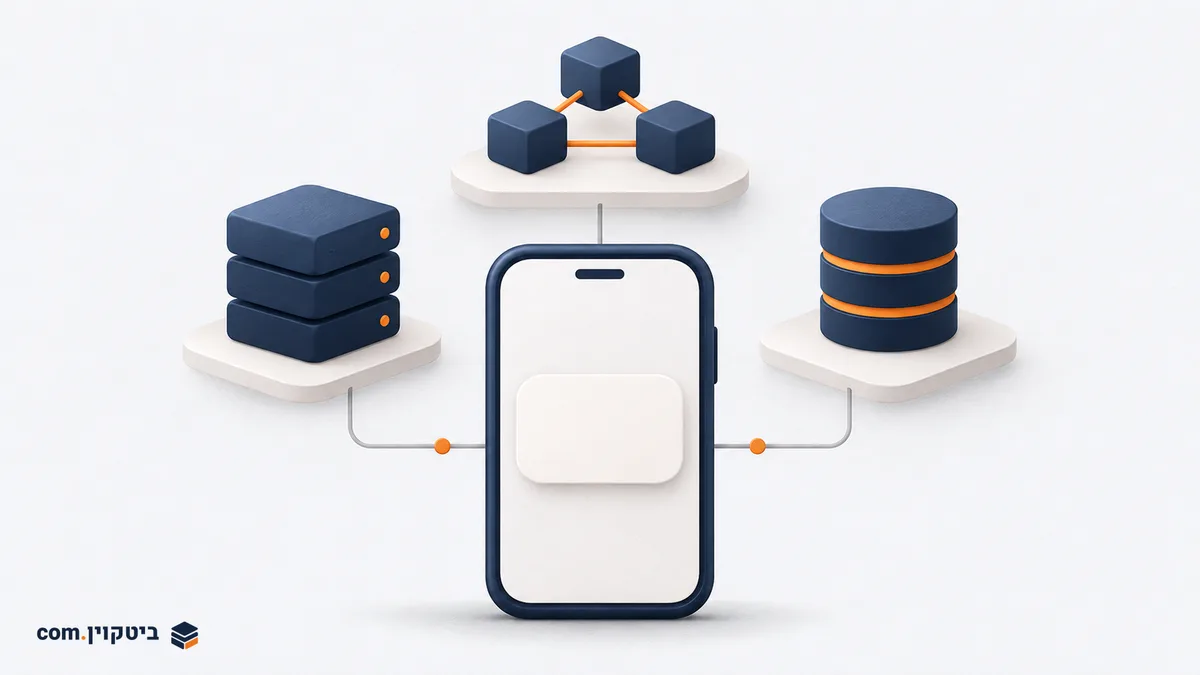
The practical focus is the interface. According to Tether, Lemon presents one digital-dollar balance backed by USDT while managing conversions, currencies and networks behind the scenes. That simplification may make the service easier to use, but questions about terms and control still sit with the provider.
The investment and the existing product
Tether's announcement (Opens in a new tab) describes an investment intended to support product development alongside services Lemon already offers. Each feature mentioned should not be read as a new launch that day. Virtual prepaid cards are also described subject to availability, not as a promise of service everywhere.
The companies identify international transfers and everyday use as priorities. The release does not publish a new fee schedule or measurements proving that every transfer will cost less than alternatives. Improving the user experience is a business objective, distinct from an outcome already measured.
Digital dollars and tokenized gold are different exposures
USDT and XAUT appear together in the announcement, but represent different exposures. The former targets a dollar peg; the latter is linked to tokenized gold. Dividing an asset into smaller units may reduce the unit size available to users, but does not turn gold's price into a fixed dollar value.
A screen showing a unified balance also does not establish identical redemption rights or risks for everything behind it. Our wallets and security section starts with the question of who controls the assets, before drawing conclusions about how they are held from the convenience of an interface.
What the announcement leaves open
Readers assessing the investment's significance should look next for specific products, supported countries and terms of use. An investment announcement alone is not regulatory approval for every service, a commitment to Israeli availability or a replacement for issuers' conditions.
The development points to an effort to connect coins and tokens with routine activities rather than presenting them solely as trading instruments. That is a useful angle on infrastructure adoption, although the information comes from the companies and the founder’s interview. The release cannot establish the investment's effect on actual fees or user behavior.