

News Blockchain and technology Ethereum and other coins
SBI Solana Global starts operations: what Japan's venture has established and what remains planned
SBI Holdings, SMFG and the Solana Foundation announced on 25 November 2026 that they had completed the agreements for SBI Solana Global and that the joint venture had begun full-scale operations. Formerly SBI R3 Japan, the company is targeting stablecoin payments and tokenization. The announcement establishes an operating business framework and a development agenda, not the launch of every product on that agenda.
Checked on 25 November 2026.
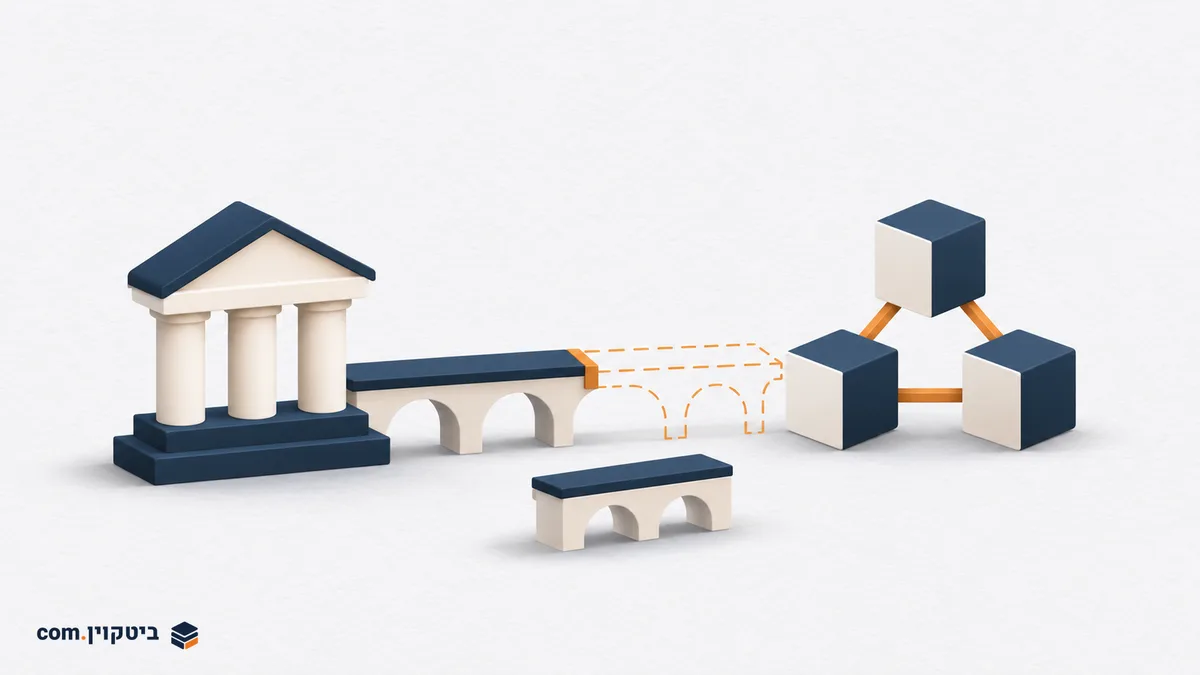
The distinction matters. Putting a major financial group and a blockchain network in the same headline can sound like an immediate migration of an entire banking business onto that network. The announcement does not say that. It identifies the participants, the fields of cooperation and what they intend to develop.
What has changed now
The joint announcement on the company's website (Opens in a new tab) says the agreements are complete and the transition to the three-party venture has reached the operating stage. This follows strategic cooperation announced in July 2026. The news on 25 November is organizational and commercial progress, rather than the first appearance of the idea.
The company plans to establish practical use cases in Japan before expanding in Asia and other markets. For readers in Israel, the announcement does not confirm a locally available product, account-opening option or Israeli launch timetable. International ambitions are not a list of countries where a service already operates.
Four areas with different practical questions
The first area is stablecoin payment infrastructure for domestic and cross-border uses, including small payments by AI agents. The practical questions will include which currency moves, who can use the service and how redemption and settlement work. Blockchain use alone does not answer those questions. Our stablecoin guide explains the underlying issues around pegs and redemption.
A second area is the tokenization of financial assets, including bonds, funds and loan receivables, alongside issuance and distribution. A third concerns non-financial assets and rights, including commodities and traceability. The fourth is exploring and commercializing on-chain asset management using stablecoins and tokenized assets.
This describes the breadth of the company's ambitions, not four systems already launched. For any eventual product, users will need to establish what its token represents, which rights its holder receives and how the digital record connects to an asset or obligation outside the network. A visible record is not, by itself, an answer to those questions.
The company's history is not a history of Solana deployments
The website also presents projects and corporate history from the period when SBI R3 Japan worked with Corda. Those historical activities should not automatically be counted as Solana deployments. A new name and direction do not retrospectively change the technology used in earlier work.
Over the medium and long term, the venture aims to connect payments, issuance, distribution and asset management. To assess progress beyond the current stage, it will be useful to look for identifiable products, terms of service, customers or activity figures the company publishes. The announcement does not provide a transaction volume from which commercial adoption can be quantified.
This is a concrete step in establishing an organization intended to develop financial blockchain applications. The product test remains ahead: what people can actually do, who can do it and under which conditions. Distinguishing a recording infrastructure from the business claims around it is also central to our blockchain explainer.