

News Mining and networks
SATO reports lower Bitcoin output alongside its first AI hosting agreement
SATO released unaudited third-quarter results on 25 November 2026, reporting lower Bitcoin production alongside its first agreement to host AI equipment. It mined 11 BTC, down from 21 BTC a year earlier. The agreement was signed on 21 October: the current development is the financial release and business update, not a new November signing.
Checked on 26 November 2026.
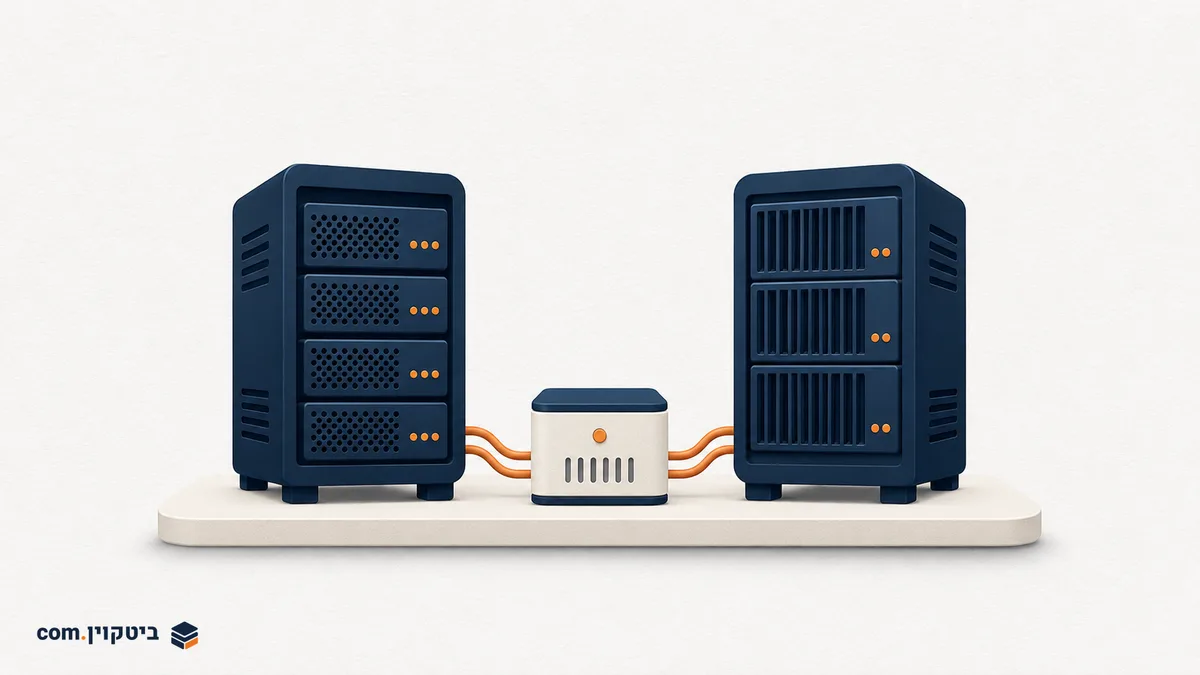
The figures show two activities sharing a computing site: weaker mining operations and an initial use of capacity for computing customers. SATO says Bitcoin mining continues in capacity not allocated to AI. This is not an announcement that all mining is closing.
Weaker mining revenue
According to the company release distributed through Newsfile (Opens in a new tab), quarterly revenue was CAD 1,089,353, compared with CAD 3,344,866 a year earlier. Gross loss was CAD 293,009. The reported amounts are Canadian dollars, not US dollars.
SATO attributes the production decline partly to deliberately slowing as much as roughly half of its mining fleet during unprofitable periods, and to growth in the network's total computing power. That is the company's explanation of its own results, not an independent measurement of profitability across the mining industry.
Net income tells a different story
Despite the gross loss, SATO reported net income of CAD 718,220. That figure reflects a CAD 1,986,285 accounting gain from settling a secured loan in August. Net income alone therefore does not establish that continuing mining operations improved.
Separating operating performance from the effect of a debt settlement helps prevent one number from standing in for the whole business. Our mining and networks section explains miners' role and rewards, which do not guarantee profit after expenses.
AI hosting begins at limited scale
Subsidiary Qritical AI signed a services agreement and initial order to host equipment at Center One in Québec. SATO describes the contract as limited relative to the site's approximately 20 MW capacity. The report says services were expected to begin in November. However, a separate company release on 23 November says the environment was handed over to Datum on 12 November and Datum delivered the infrastructure to its customers on 16 November. According to SATO, operations have therefore begun; the quarterly report’s wording is not a complete operational update.
Plans to use more capacity, including a possible AI building, remain future steps. Readers need to distinguish a signed contract, installed equipment, operating services and recognized revenue. The update shows an effort to diversify the use of computing infrastructure, but does not yet demonstrate that the new activity has replaced lost mining revenue.