

News Blockchain and technology
Mobicom joins Telcoin validation while its proposed local stablecoin awaits approval
Mobicom announced on 25 November 2026 that it has joined Telcoin Network as a launch validator. Its node is already operating on the testnet using Mobicom infrastructure, according to the joint announcement with the Telcoin Association. A separate proposed stablecoin, eMNT, would be denominated in Mongolian tugrik, but issuance requires regulatory approval and has no launch date.
Checked on 26 November 2026.
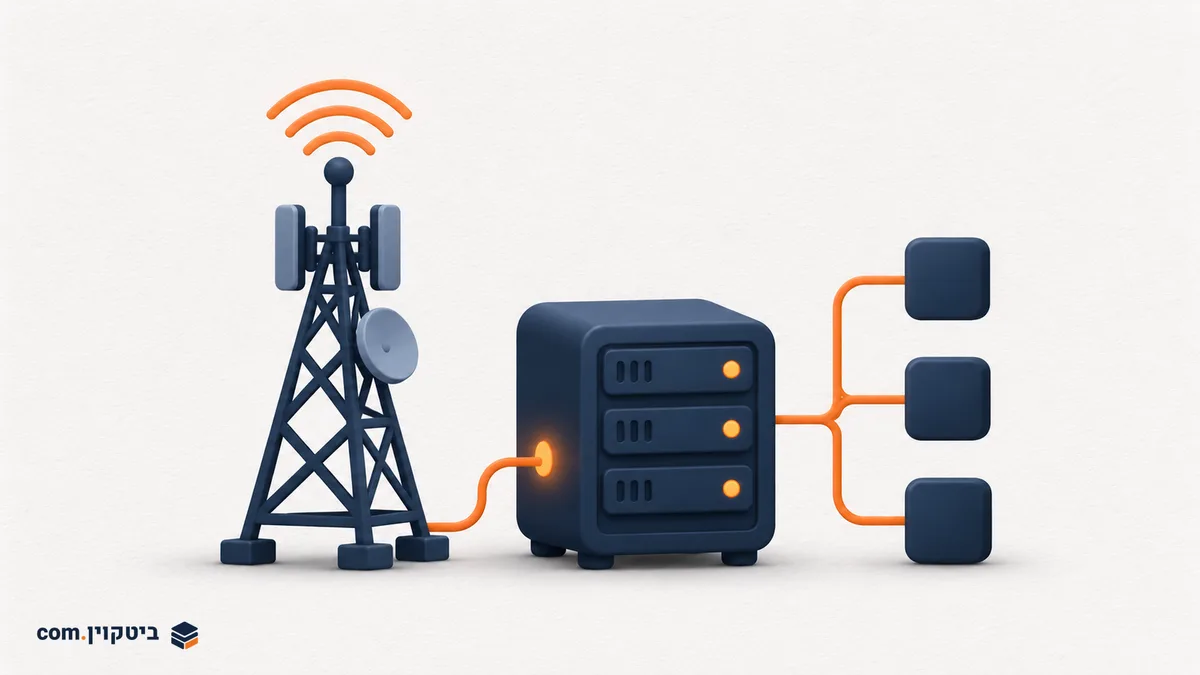
These are different stages. Operating test infrastructure is a concrete technical step. A local-currency token and a remittance service still require decisions beyond deploying a node. That distinction matters more than the broad headline about a telecom company entering blockchain.
What is already running
The companies’ announcement (Opens in a new tab) says Mobicom’s validator is running on the testnet in its own infrastructure. A validator operates a node that checks network activity under the network’s rules. This deployment uses a telecom operator’s computing infrastructure; it does not make every mobile subscriber an independent validator.
Telcoin describes its blockchain as validated by GSMA operator members and governed by the Swiss nonprofit Telcoin Association. Participation therefore follows a defined model. Readers should not infer that anyone can validate without conditions or that this is the same validation model as Bitcoin.
The published schedule places mainnet genesis on 2 December, with a public launch later that month. Those are planned milestones, not confirmation that a public service has already opened.
The local token is a separate intention
The companies want to explore eMNT alongside a pilot remittance corridor between the United States and Mongolia. Lower costs and faster transfers are stated objectives. The announcement does not provide a final customer price, results from commercial operation or a date when the token will become usable.
Calling an asset a stablecoin does not replace checking its issuer, redemption rights and supervision. A target value differs from the mechanism meant to maintain it. Here, issuance still requires regulatory engagement and approval in Mongolia. Our blockchain and technology section provides further context on validation infrastructure.
What would count as the next development
A mainnet operating announcement, explicit approval for the local token and terms for the remittance service would each answer a different question: whether the network is running, whether issuance is permitted, and whether the service meets a user’s needs.
For readers in Israel, this is an example of how telecommunications infrastructure could support blockchain-based financial services. The announcement does not establish Israeli availability or change local obligations. The current development is an operator joining test validation infrastructure, alongside a financial-service plan that remains unfinished.